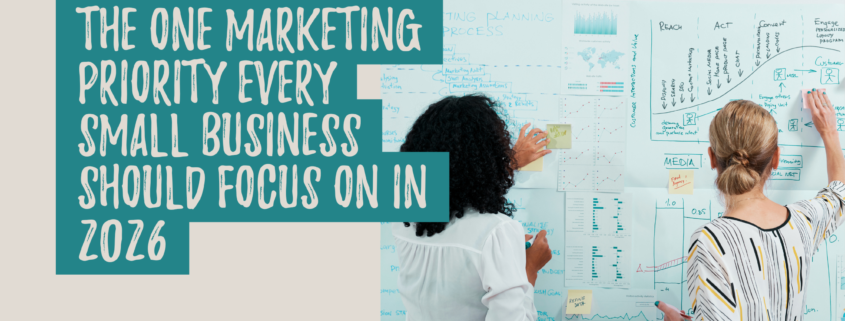

The One Marketing Priority Every Small Business Should Focus on in 2026

The holidays are over. Sales may have slowed. And suddenly, there’s pressure to “do marketing better” this year. For most business owners, this often translates to posting more, trying new platforms, running ads, starting email marketing, updating the website, improving SEO, etc.

That’s usually where things go wrong.

January isn’t when small businesses fail because they’re not doing enough. They struggle because they attempt to fix everything at once, without a clear system to support their efforts.

If there’s one marketing priority that will make the biggest difference this January, it’s not chasing trends or posting more content… It’s building a simple, consistent marketing system you can actually maintain all year.


The Common Mistake Business Owners Make

Many small businesses confuse activity with effectiveness.

Posting three times one week and disappearing the next doesn’t build visibility. Being on every platform without a clear message doesn’t build trust. Running ads without a strategy doesn’t build momentum.

Marketing works when people see you consistently, understand what you do, and know what to do next. Without that foundation, even good content struggles to perform.

That’s why so many business owners feel frustrated. They’re doing the work, but it doesn’t feel like it’s going anywhere. What’s missing isn’t effort; it’s structure.


The One Priority That Changes Everything: Build a Simple Marketing System

A marketing system doesn’t mean automation, funnels, or complicated tech.

At its core, a system answers three questions clearly and consistently:

  • Who are you talking to?
  • What do you want to be known for?
  • How does your content support your business goals?

When those questions are answered, marketing stops feeling random. Every post has a purpose. Every message reinforces your brand, rather than confusing your audience.

A simple system removes guesswork. You’re no longer wondering what to post, when to post, or whether it’s “working.” You’re following a structure that’s designed to build trust over time.


What a Simple Marketing System Actually Looks Like

For small businesses, simplicity is a strength.

A strong system usually focuses on one primary platform where your audience already spends time.  You don’t need to master everything at once. One channel, done well, is more powerful than five done inconsistently.

From there, your content revolves around a few clear themes. These themes reflect what your customers care about, what problems you solve, and what makes your business different. Over time, repetition builds recognition.

Consistency matters more than volume. Posting two or three times a week with intention will outperform daily posts with no direction.

Most importantly, your content isn’t just there to fill space. It guides people toward an action: visiting your site, sending a message, booking a call, or remembering your brand when they’re ready to make a purchase.

That’s a system.


Why January Is the Best Time to Build This

January offers a rare advantage: attention.

Compared to the chaos of Q4, feeds are quieter. Competition is lower. People are more open to learning, planning, and resetting their routines, including how they choose businesses.

This makes January the ideal time to lay the groundwork for the year ahead. When your system is in place early, everything that follows becomes easier. Campaigns are clearer. Content takes less time. Decisions feel lighter.

Momentum builds quietly, and that’s what carries you through the year.


How to Start Without Overthinking It

You don’t need to overhaul your entire marketing strategy in January to make progress. In fact, trying to fix everything at once often does more harm than good.

Many business owners start the year with a long list of things they want to improve: 

  • new platforms 
  • new content formats 
  • new tools 
  • new campaigns 

While the intention is good, this approach usually leads to overwhelm, inconsistency, and burnout. When everything feels urgent, nothing gets done well or consistently.

A better approach is to start small and focused. Here’s how:

  1. Begin by choosing one primary platform where your audience already spends time. Clarify who you’re speaking to and what problem you help solve.
  2. Identify a few core topics you can talk about confidently and repeatedly without scrambling for ideas every week.
  3. From there, commit to a realistic posting rhythm you can maintain, even when business gets busy. Consistency doesn’t come from doing more… it comes from doing less, better, and on purpose.

Marketing works best when it’s sustainable. A simple system you can stick to will outperform an ambitious plan that falls apart by February.


Your Marketing Doesn’t Need to Be Louder, It Needs to Be Smarter

The businesses that grow steadily aren’t doing more marketing than everyone else. They’re doing it with more intention.

January is your opportunity to stop reacting and start building something that supports your business all year long.

If you’re tired of guessing, starting over, or feeling like marketing is always “on your to-do list,” a simple system can change everything.

And if you need help building a marketing system tailored to your business, audience, and goals, we’d be happy to assist.

Schedule a free consultation, and let’s create a strategy that works for you, not one that burns you out.


The Year-End Marketing Audit Every Small Business Should Do Before January

Every January, small business owners set big goals. More leads. Better visibility. Higher sales. Stronger online presence.

The problem: Most businesses start the new year without a clear understanding of what actually worked the previous year.

Instead of reviewing data and performance, many jump straight into action. They post more often. They try new platforms. They invest in new tools or run new ads, hoping this will bring better results. 

Without examining the data, businesses often recycle the same strategies that underperformed, waste time on platforms that didn’t convert, and overlook the tactics that did move the needle. This is how marketing becomes overwhelming, expensive, and frustrating.

A year-end marketing audit changes that.  It allows you to plan from a place of confidence instead of urgency. You enter the new year knowing what deserves your time and budget, rather than scrambling to figure it out.

What a Year-End Marketing Audit Really Is (and What It’s Not)

A marketing audit is simply a structured review of your efforts and outcomes. It helps you answer a few critical questions:

  • What worked? 
  • What didn’t work? 
  • What deserves more attention next year?

An audit is NOT about reviewing every single metric available or criticizing the decisions you made this year. Rather, it’s about helping you identify patterns in performance, engagement, and customer response so you can focus your energy where it matters most.

Think of it as a reset button. Instead of carrying every unfinished idea or underperforming tactic into the new year, you walk into January knowing exactly what to keep, what to refine, and what to let go.

Why Doing a Marketing Audit Before January Gives You an Advantage

Timing matters more than most business owners realize. By the time January arrives, many businesses feel pressure to act fast, set goals quickly, and “hit the ground running.” 

New year. New goals. New expectations. That urgency often leads to rushed decisions. 

Conducting a marketing audit at the end of the year removes that pressure. It allows you to invest energy where it counts, avoid repeating mistakes, and build strategies based on evidence rather than assumptions. And that shift alone can change how the entire year unfolds.


What to Review in Your Year-End Marketing Audit (and Why It Matters)

Conducting an audit doesn’t mean you have to review everything all at once. Some metrics matter far more than others, especially for small businesses with limited time and resources.

Your Website Performance

Your website is the foundation of your marketing. Every social post, ad, email, or search result ultimately leads people there. That’s why it should be the first thing you review.

Look at how much traffic your website received this year and where that traffic came from. Did visitors come from social media, Google search, paid ads, or email? More importantly, what happened after they landed on your site?

If people landed on your site but didn’t take action, it could mean your messaging wasn’t clear, your offer wasn’t compelling enough, or your site wasn’t optimized for conversion. A marketing audit helps you spot these gaps before investing more traffic into the same pages next year.

Social Media Performance

One of the biggest mistakes businesses make is judging social media success based on likes or follower count.

Here are some things you need to take note of:

  • Which posts sparked real engagement?
  • Which content formats consistently performed better?
  • Which platforms actually led to inquiries, bookings, or sales?

An audit helps you identify the type of content or topics that resonate with your audience, allowing you to focus on those. 

Your Email Marketing Results

Email is often overlooked, yet it consistently delivers one of the highest returns in digital marketing.

Review open rates, click-through rates, and which emails led to replies or sales. Also, take a look at your educational or value-driven emails. These often build trust that leads to future conversions, even if they don’t generate immediate sales.

What to Stop Doing Next Year (This Is Where Most Growth Happens)

Growth doesn’t always come from doing more. Often, it comes from letting go of what isn’t working.

Stop Spreading Yourself Too Thin

Many businesses try to be everywhere: every platform, every trend, every content format. The result is burnout and diluted messaging.

Your audit will likely show that only one or two platforms consistently produced results. Focusing your energy on where your audience already engages allows you to create better content with less stress.

Stop Chasing Vanity Metrics

Likes, views, and followers look good, but they don’t always translate into business growth.

If a post went viral but didn’t lead to inquiries, clicks, or engagement with your brand, it’s not necessarily a win. A year-end audit helps you separate attention from impact and refocus on metrics that actually support your business goals.

Stop Repeating Campaigns That Didn’t Convert

Many businesses repeat promotions, offers, or content types simply because they’re familiar.

Your audit gives you permission to stop. If a campaign doesn’t perform well, it doesn’t mean you’ve failed… It taught you a lesson. Carrying that insight into the new year prevents wasted time and budget.

What to Double Down On Next Year

Once you’ve identified what worked and what didn’t, the next step becomes clear: reinforce what’s already effective. This is where a marketing audit becomes a growth tool. 

Double Down on Proven Content Themes

Look for recurring themes in your top-performing content. These are the topics that consistently resonate with your audience. Rather than reinventing the wheel, refine what already works. 

Strengthen High-Performing Channels

If one platform consistently drives traffic or leads, it deserves more attention in the coming year. That might mean posting more strategically, experimenting with new formats, or supporting organic content with paid promotion.

Focusing on fewer channels, but doing them well, often leads to better results than trying to be everywhere.

Build on Momentum, Not Guesswork

A year-end audit removes guesswork from your planning. You’re no longer relying on trends or assumptions. You’re building on real data, real behavior, and real results.

That confidence carries into the new year. You know what to prioritize, what to improve, and where to invest your time and budget for the biggest return.

A Smarter Year Starts With Clarity

The most successful businesses don’t wait for the new year to “start fresh.” They pause, review, and make intentional decisions based on what actually happened, rather than what they had hoped would happen.

A year-end marketing audit gives you clarity. It shows you where your efforts paid off, where time and budget were wasted, and what deserves your attention moving forward. I

The businesses that grow faster next year won’t be the ones doing more. They’ll be the ones doing less of what doesn’t work and more of what already does.

If you’d like help reviewing your marketing performance and building a smarter, more focused strategy for the year ahead, we’re here to help.

Schedule a free consultation, and let’s create a marketing plan that works for your business, not just in January, but all year long.

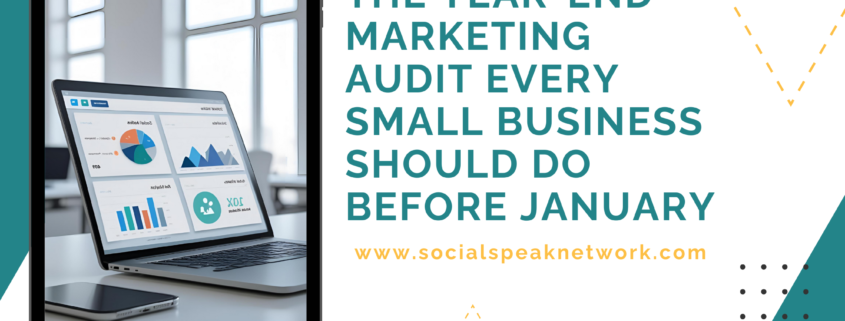
The Year-End Marketing Audit Every Small Business Should Do Before January

The Year-End Marketing Audit Every Small Business Should Do Before January

The Year-End Marketing Audit Every Small Business Should Do Before January

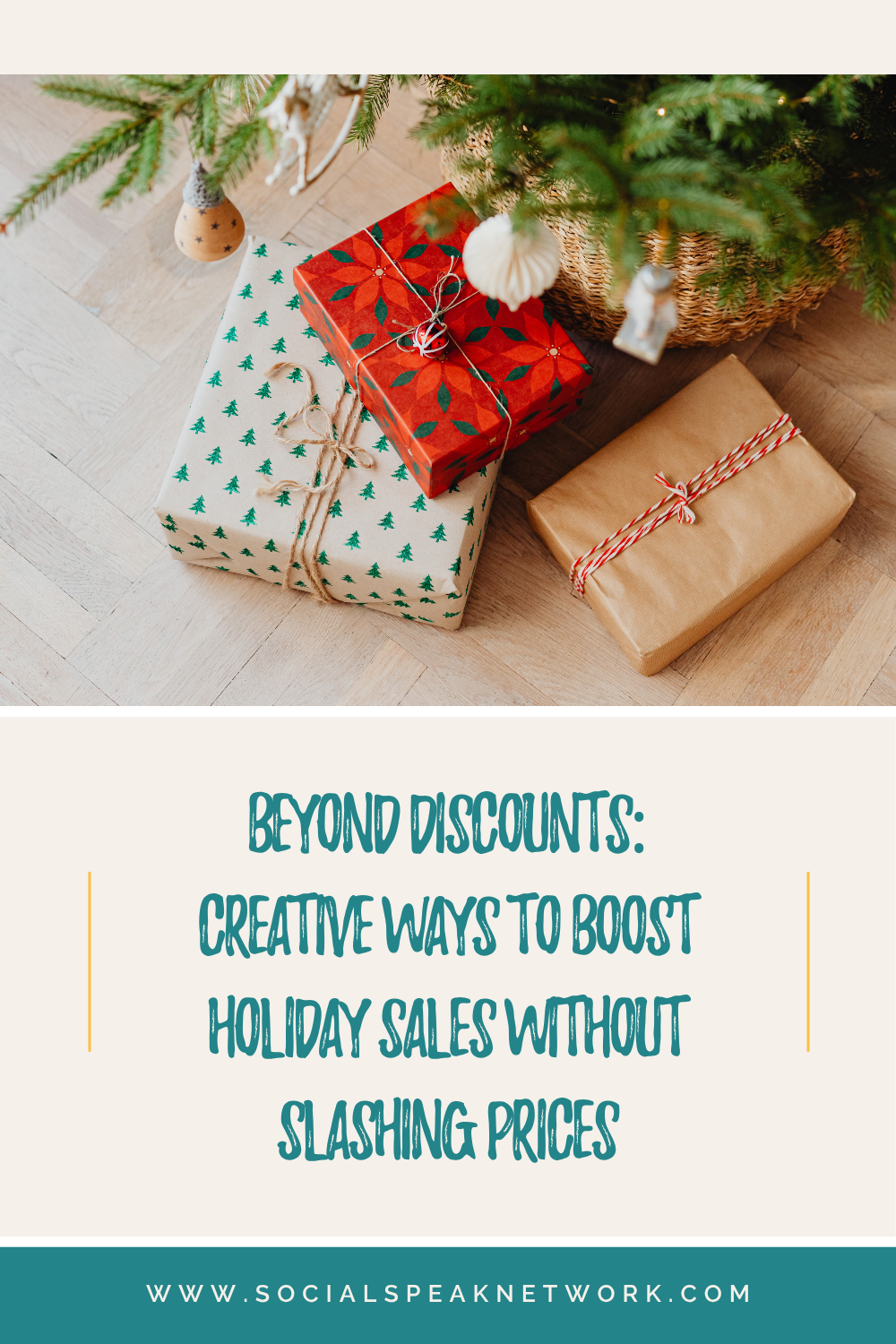
Beyond Discounts: Creative Ways to Boost Holiday Sales Without Slashing Prices

The holiday season is when customers are eager to spend, but it’s also when competition peaks.

If you’re a small business owner, it can be tempting to slash prices just to keep up. It’s almost tradition. The moment November hits, inboxes explode with promos shouting 20%, 30%, even 50% off. 

But here’s the truth: while discounts can drive short-term sales, they often come at a long-term cost. It can hurt your profit margins, attract short-term buyers, and even devalue your brand.

If you want to finish the year strong and start the next one with loyal customers, it’s time to think beyond discounts. Let’s talk about smarter ways to boost sales, deepen relationships, and protect your profit margins this holiday season.


The Hidden Cost of Discounts

It’s easy to see the upside of discounts — more traffic, faster sales, and a quick boost in cash flow. But the downsides are often overlooked.

Here’s what happens when discounts become your main strategy:

  • You train your customers to wait for sales. Instead of buying when they need something, they hold off until your next markdown.
  • You attract price-sensitive buyers. These customers will happily switch to the next business offering a slightly better deal.
  • You cut into your margins and your marketing. Lower profits mean fewer resources for ads, design, or future campaigns.

Smart Holiday Offer Ideas That Boost Sales

When every business around you is shouting “SALE!”, the real opportunity lies in doing something different. Instead of dropping your prices, make your offer more irresistible. 

Here are creative, high-impact strategies that help you win customers while keeping your brand value strong.

1. Create Bundles or Packages

Instead of discounting individual items, combine complementary products or services into curated holiday sets.

Example:

  • A spa can offer a “Relax & Recharge” package (massage + facial + aromatherapy oil).
  • A coffee shop could sell a “Holiday Morning Box” with a mug, specialty blend, and snack.

Bundling increases perceived value, simplifies the buying decision, and customers feel like they’re getting more for their money. 

2. VIP or Member-Only Perks

Make your most loyal customers feel special. Give them early access to new products, invite-only events, or private sales before anyone else.

You can even launch a “Holiday Insider” email list that offers sneak peeks, priority ordering, or limited-edition items. These perks deepen relationships and turn casual shoppers into long-term fans.

3. Create Limited-Edition Holiday Offers

Scarcity drives action. Introduce limited-edition versions of your bestsellers like a holiday scent, packaging, or color.

Example:

  • A coffee shop could launch a “Winter Blend” available only until December 31. 
  • A candle business could offer “Holiday Glow” candles in festive packaging.

People love exclusivity. A limited-edition offer feels special and gives buyers a reason to act fast. It’s a simple way to make your products feel fresh, collectible, and giftable.

4. Add a Gift with Purchase

People love surprises, especially during the holidays. Instead of lowering your prices, give customers a small gift when they reach a spending threshold.

Example:

  • A skincare brand could offer a travel-size serum for every $75 spent.
  • A coffee shop could include a free holiday cookie with every boxed set.
  • A boutique could include an accessory or a tote bag with a minimum purchase.

Including a small gift can make customers feel they’re getting more for their money. Plus, they subtly encourage customers to spend more.

5. Support a Cause Your Audience Cares About

The holidays are about giving. Tie your sales to a cause that reflects your brand values.

Example:

  • Donate a portion of the proceeds to a local shelter or community project.
  • Partner with a nonprofit for a “Buy One, Give One” campaign.

When customers see that their purchase makes a difference, they feel emotionally invested in your brand. That emotional connection is priceless.

The Secret Ingredients: Personalization + Experience

You’ve got your offer. Now, it’s time to make it irresistible.

Here’s the truth: even the smartest promotion won’t stand out unless it feels personal and memorable. That’s where these two elements come in. 

 Personalization: Make It Feel Tailored

Shoppers don’t want to feel like they’re just one of thousands on your list. Personalization adds that human touch to your marketing. 

  • Segment your audience so messages and offers match their interests.
  • Send recommendations based on what customers have previously bought.
  • Include their name in promotional emails. 
  • Offer exclusive “for you” bonuses to loyal customers or VIPs.

These small gestures go a long way. They tell your audience, “We know you. We value you.”

And that emotional connection is what transforms a one-time buyer into a long-term supporter.

Experience: Make Every Step Feel Special

A great offer gets attention. A great experience keeps it.

From your emails to your packaging, every detail should reflect your brand and the joy of the season.

Simple ideas to elevate your customer experience:

  • Refresh your website and social media with festive visuals and messaging.
  • Add branded wrapping, holiday thank-you cards, or handwritten notes.
  • Make unboxing feel like a celebration, something customers want to share online.

Think of it this way: you’re not just selling products or services, you’re creating moments that make customers feel good about buying from you.

Building Loyalty That Lasts Beyond the Holidays

The most successful holiday offers aren’t always the cheapest. They’re the ones that build connection, trust, and loyalty.

This season, focus less on “How low can I go?” and more on “How can I make my customers feel valued?” Because long after the discounts fade, it’s your brand experience that keeps people coming back.

If you need help creating a marketing strategy that sells without hurting your profit margins, we’d love to help. Schedule a free consultation today. Let’s make this your most profitable (and memorable) holiday season yet.

Beyond Discounts: Creative Ways to Boost Holiday Sales Without Slashing Prices

Beyond Discounts: Creative Ways to Boost Holiday Sales Without Slashing PricesBeyond Discounts: Creative Ways to Boost Holiday Sales Without Slashing Prices

10 Simple Lead Magnet Ideas Any Small Business Owner Can Create This Week

When you’re running a small business, one of the hardest parts is consistently finding new customers. Social media is great for visibility, but algorithms change. Paid ads can get expensive. What you need is a reliable way to reach potential customers directly, and that’s where email comes in.

But here’s the challenge: people don’t just give away their email address for nothing. You need to give them a reason. That reason is called a lead magnet.

A lead magnet is something valuable you offer in exchange for someone’s email address. It could be a guide, a discount, or even a checklist. The goal is to attract the right people, build trust, and start relationships that can turn into sales.

In this blog, we’ll cover 10 simple lead magnet ideas you can create this week, and how to actually make them work for your business.


What Makes a Great Lead Magnet?

A great lead magnet doesn’t have to be complicated. It just needs to do three things well:

  • Solve a real problem your ideal customer is facing.
  • Be quick and easy to consume.
  • Connect directly to the product or service you sell.

For example, if you’re a fitness coach, a “5 Healthy Breakfasts Under 10 Minutes” checklist could be a great choice. It solves a problem (what to eat), is easy to read, and ties back to your fitness programs.


10 Simple Lead Magnet Ideas for Small Businesses

1. Checklist

A checklist is one of the simplest yet most effective lead magnets. People love them because they’re quick, actionable, and give an immediate sense of progress.

Examples: 

  • A real estate agent could share “10 Things to Do Before Selling Your Home.” 
  • A wedding planner could create “The Ultimate Wedding Day Checklist.”

2. Template

Templates save people time and effort by giving them a ready-made structure they can follow. They’re especially powerful if your audience struggles with getting started.

Examples: 

  • A social media manager could share a “7-Day Instagram Caption Template.”
  • A financial coach could offer a “Monthly Budgeting Template.”

3. Quick Guide or Mini eBook

Guides and eBooks allow you to show your expertise while helping your audience solve a specific problem. Unlike a long book, a mini guide is short, easy to read, and practical.

Examples: 

  • A skincare brand could offer “The Beginner’s Guide to Choosing the Right Skincare Routine.” 
  • A bakery could share “The Home Baker’s Guide to Perfect Cupcakes.”

4. Discount Code

Discounts are a classic lead magnet for a reason. They provide instant value and encourage first-time buyers to take action right away.

Examples: 

  • A boutique clothing store could give “10% Off Your First Order.” 
  • A local gym could offer “First Month Free When You Join Today.”

5. Quiz

Quizzes are engaging because they’re fun, interactive, and personalized. They also give you insights into what your audience needs.

Examples: 

  • An interior designer could create “What’s Your Home’s Décor Personality?” 
  • A nutrition coach could build “Find Your Perfect Meal Plan Quiz.”

6. Free Consultation or Discovery Call

Offering your time for free can be a powerful trust-builder. It lets potential clients experience your value before committing to your services.

Examples: 

  • A marketing consultant could offer a “Free 15-Minute Strategy Call.” 
  • A financial advisor could give a “Complimentary Retirement Planning Review.”

7. Resource List or Tools Guide

People want shortcuts, and a curated list of tools or resources saves them hours of searching. This positions you as both helpful and knowledgeable.

Examples: 

  • A freelancer could share “5 Free Tools Every Small Business Owner Should Use.” 
  • A travel agent could create “Top 10 Packing Essentials for Stress-Free Trips.”

8. Worksheet or Planner

These interactive tools help your audience take action immediately, which makes them more likely to see results and remember your business.

Examples: 

  • A nutritionist could create a “Weekly Meal Planning Worksheet.” 
  • A life coach could design a “Daily Productivity Planner.”

9. Video Tutorial or Training

Videos feel personal and are often easier to understand than written content. They’re especially powerful for businesses that demonstrate skills or show results visually.

Examples: 

  • A bakery could share a “5-Minute Video: How to Decorate Cupcakes Like a Pro.” 
  • A fitness coach could create “3 Easy At-Home Workouts for Busy Professionals.”

10. Case Study or Success Story

Case studies prove your expertise by showing real results. They help potential customers picture themselves achieving similar outcomes.

Examples: 

  • A business coach could share “How One Client Doubled Their Sales in 30 Days.” 
  • A cleaning service could showcase “How We Transformed This Office in Just 2 Hours.”


How to Make Your Lead Magnet Work

Creating a lead magnet is only half the battle. To make it truly effective, you need to set it up properly and ensure it works for you around the clock.

Promoting Your Lead Magnet

Your lead magnet only works if people can find it. Promote it everywhere: on your website homepage, in blog posts, across social media, inside your email signature, and even during events. The more visibility it has, the more sign-ups you’ll get.

Keeping the Sign-Up Process Simple

Don’t overcomplicate it. If you ask for too much information up front, people won’t sign up. Keep it to the basics. Usually, just a name and email address are enough. The goal is to reduce friction so it’s easy to say yes.

Following Up with an Email Sequence

The lead magnet is just the start. What matters most is how you follow up. Send a welcome sequence that introduces who you are, explains how you can help, and shares more valuable content. Then, naturally guide your subscribers toward your products or services.

Making Sure It Connects to Your Business

The biggest mistake small business owners make is offering a lead magnet that has nothing to do with what they sell. Your freebie should attract people who are interested in what you actually offer. 

For example, if you run a bakery, don’t give away a free guide on digital marketing. Stick to something like recipes or baking tips. 


Final Thoughts

Lead magnets are one of the simplest and most effective ways to grow your audience and build lasting relationships with potential customers. You don’t need to spend weeks creating them. With just a bit of effort, you can launch one in a few days and attract the right people to your business.

So, instead of waiting for new customers to stumble upon you, create a lead magnet this week and start building your list.

Need help creating the right lead magnet and setting up your email funnel? Schedule a free consultation with us today, and let’s make it happen.

Year-End Digital Marketing Audit: 5 Steps to Set Yourself Up for Success in 2025

Did you know businesses that document their marketing strategy are 313% more likely to report success?

As 2024 comes to a close, it’s the perfect time not just to celebrate your wins, but also take a good look at what worked and what didn’t in your digital marketing. Think of it like a yearly check-up for your business, but instead of the doctor’s office, we’re looking at your website, social media, and everything in between!

By doing a digital marketing audit, you can find hidden opportunities, make smarter decisions, and get way better results from your marketing efforts.

Ready to dive in? Here’s your 5-step guide to a powerful year-end digital marketing audit. 

Step 1: Analyze Your 2024 Goals and Performance

Start by reviewing the goals you set at the beginning of 2024. Did you want more people to visit your website? Did you want to get more leads or make more sales? 

Now is the time to check if you hit those targets!

  • Did your website traffic go up?
  • How many new followers did you get on social media?
  • Did your paid ads bring in new customers?
  • Which campaigns delivered the best results?

By looking at these numbers, you can see what worked well and where you might need to make some changes. For example, if your Instagram grew a lot but your website traffic stayed the same, you may need to add more links to your website in your Instagram posts.

Create a simple report that summarizes your key numbers. This will help you see the big picture and spot areas where you really shined!

Step 2: Evaluate Your Content Strategy

Content is king! But not all content is created equal. It’s time to look closely at what worked and what didn’t in 2024.

Conduct a Content Audit

List down all the content you created this year (blog posts, videos, social media updates, etc.). 

For each piece of content, identify how it performed. Did it get a lot of views, shares, and engagement? Did it achieve its goal? (e.g., drive traffic to your website, generate leads, educate your audience)

Identify Top-Performing Content

Identify your best-performing content. What made it successful? Can you replicate those elements in future content?

Content Gaps 

Are there any types of content you haven’t explored? Maybe you need more videos, infographics, or in-depth guides?

Content Repurposing

Turn a high-performing blog post into an infographic, a series of social media posts, or a video. 

For instance, if your blog post on ‘5 Tips for Better Work-Life Balance’ received high traffic and engagement, you could repurpose it into an infographic, a podcast episode, or a social media carousel to continue reaching your audience in new formats. Repurposing content saves time and maximizes value.

Step 3: Audit Your Social Media Presence

Social media is often where customers first interact with your brand. A comprehensive review ensures your platforms stay relevant and impactful.

Platform Performance

Think of each social media platform as its own unique world. What works on Instagram might not fly on LinkedIn. You need to understand how each platform performs for your business to get the most out of your efforts.

For example, Instagram might see higher engagement during weekends, while LinkedIn posts might perform better mid-week. Use platform-specific insights to adjust your posting schedule for maximum impact.

Content Effectiveness

Creating great content is essential, but it’s only half the battle. You also need to ensure you’re posting the right content at the right time.

Take a look back at the content you’ve posted this year. Ask yourself these questions:

  • Are you posting regularly? 
  • What types of content performed best (images, videos, text posts, Stories)?
  • Which topics resonated most with your audience?
  • Did your content achieve its goals (e.g., drive traffic, generate leads, increase brand awareness)?

Step 4: Review Paid Advertising Efforts

Paid advertising can be a great way to reach new customers, but it’s important to ensure you’re getting a good return on your investment. 

Campaign Goals

Start by revisiting the goals you set for your ad campaigns. What were you trying to achieve? Was it website traffic, leads, or sales?  

Next, dive into the key metrics. 

  • Ad Spend: How much did you spend on your ads?
  • Cost-per-click (CPC): How much did you pay for each click on your ad?
  • Conversions: How many people took the desired action (e.g., made a purchase, filled out a form)?
  • Return on Investment (ROI): Are you making more money from your ads than you’re spending?

Analyze ROI and determine which strategies to scale. Eliminate ad spend on underperforming campaigns and reallocate to high-impact efforts.

Step 5: Refresh Your Website and SEO

Your website is your online home base. Make sure it’s optimized to attract visitors and convert them into customers.

Begin by analyzing your website traffic: 

  • How many people are visiting your website?
  • Where are they coming from?
  • Which pages are they visiting most?

Next, evaluate your SEO performance: 

  • Keyword Rankings: Where do you rank in search results for important keywords?
  • Backlinks: How many other websites are linking to yours?
  • Technical SEO: Is your website technically sound (fast loading speed, mobile-friendly, easy for search engines to crawl)?

Identify 3-5 underperforming pages on your website and give them a refresh. Optimize them with relevant keywords, improve the content, and add visuals.

Bonus Step: Create an Action Plan for 2025

The insights you gain from your audit are only valuable if you act on them. Create a detailed action plan for 2025 with specific, measurable goals.

Example Goals:

  • Increase blog traffic by 30% by publishing two articles per month.
  • Double Instagram engagement by focusing on video content.
  • Launch a targeted email campaign to improve customer retention.

Pro Tip: Break your goals into quarterly objectives to make them manageable and trackable.

Your Roadmap to a Successful 2025!

Congratulations! You’ve just taken a major step towards a successful 2025. By reflecting on your successes and addressing areas for growth, you’re well on your way to more engagement, leads, and conversions.

Remember, a digital marketing audit isn’t a one-time event. It’s an ongoing process of continuous improvement.

Need help auditing your digital marketing strategy or creating a powerful plan for 2025? Let’s work together to ensure your marketing efforts are aligned for maximum growth. Schedule a free consultation with us today!

Year-End Digital Marketing Audit 5 Steps to Set Yourself Up for Success in 2025

Year-End Digital Marketing Audit: 5 Steps to Set Yourself Up for Success in 2025Year-End Digital Marketing Audit: 5 Steps to Set Yourself Up for Success in 2025

Crafting a Compelling Digital Message for Your In-Home Care Agency

The digital world is buzzing with activity, including families searching for the perfect in-home care for their loved ones. Your agency might offer the best care in town, but if you don’t have a strong online presence, you could miss out on connecting with those who need you most. 

That’s why it’s important to go beyond simply providing care. Investing in a solid online strategy can expand your reach, build trust, and showcase the unique qualities that make your agency the perfect choice for families. 

But it doesn’t stop there. It’s about going beyond simply providing care. You need to create a compelling digital message that stands out in the crowded online space.

Why Your Digital Message Matters

The in-home care industry is more competitive than ever, especially online. With so many agencies vying for attention, how do you make yours stand out? The answer lies in your digital message – the words, images, and overall feeling you create online.

Your website and social media are like your storefront. They’re the first thing potential clients see. 

Some agencies make the mistake of thinking that clients will automatically find them if they create a website. But the truth is, you have to be proactive. You have to actively reach out and invite people in. That’s where digital marketing comes in.

It’s not just about having a website or social media pages. It’s about what you say and how you say it. It’s about creating an experience that goes beyond basic care and shows the heart of your agency.

A strong message tells them why you’re different, why you’re the right choice, and why they should pick up the phone and call.

Building Trust and Credibility Online

Trust is everything in the in-home care business. Families are inviting you into their homes to care for their loved ones. That’s a big deal. 

So, how do you build that trust online?

  • Your Website: Make it easy to navigate, with clear information about your services and team. Include photos of your caregivers and testimonials from happy clients.
  • Social Media: Share helpful tips, heartwarming stories, and updates about your agency. Respond to comments and questions promptly.
  • Certifications and Awards: If your agency has won any awards or certifications, don’t be shy about showing it off!
  • Client testimonials: Share photos and stories (with permission, of course) highlighting your caregivers’ compassion and expertise. Real stories from happy clients and families show the positive impact of your care.

The goal is to make people feel confident about choosing your agency.

Showcasing Solutions, Not Just Services

Instead of just listing your services, talk about how those services solve real problems for clients and their families. For example, instead of saying “We offer medication reminders,” you could say, “We help seniors stay safe and independent at home by managing their medications.”

Share stories about how your caregivers have made a difference in people’s lives. Maybe you helped a client recover from surgery more comfortably at home, or provided much-needed respite care for a family caregiver. These stories show the heart of your agency and connect with people on an emotional level.

Think about the different types of clients you serve. Do you specialize in dementia care? Post-surgery recovery? Tailor your message to speak to their specific needs and concerns. Show them that you understand their challenges and have the solutions to help.

Storytelling: The Power of Personal Connection

Stories have a way of sticking with us. They make us feel something, and that’s what creates a lasting impression. When you share real stories about your clients (always with their permission), you’re not just talking about services – you’re showing your agency’s impact on people’s lives.

Did you help someone regain their mobility? Provide companionship to a lonely senior? These real-life examples will resonate with potential clients far more than a list of services ever could.

The stories don’t have to be long or overly dramatic. A simple photo of a caregiver and client laughing together, paired with a few sentences about their relationship, can be compelling.

Tailoring Your Message to Multiple Audiences

Remember, you’re not just talking to potential clients. You’re also talking to their families. Children and spouses often play a crucial role in choosing an in-home care agency. Make sure your website, social media, and other marketing materials address their concerns as well.

Consider creating separate sections on your website or social media pages tailored to each audience. For example, a section for seniors might focus on how your services can help them maintain their independence, while a section for family members might highlight the peace of mind that comes with knowing their loved one is in good hands.

Final Thoughts

Crafting a compelling digital message for your in-home care agency goes beyond simply listing your services. It’s about building trust, showcasing solutions, and creating personal connections that resonate with potential clients and their families.

Remember, your digital presence is often the first impression someone has of your agency. By investing the time and resources to create a strong digital message, you’re not just attracting clients but building a lasting reputation for excellence.

Ready to take the next step? Schedule a free consultation to discover how we can help you develop a digital message that truly reflects the heart of your in-home care agency and connects you with the clients who need you most.

Crafting a Compelling Digital Message for Your In-Home Care Agency

Crafting a Compelling Digital Message for Your In-Home Care AgencyCrafting a Compelling Digital Message for Your In-Home Care Agency

Local SEO Success: Free Strategies to Boost Your Business Visibility & Attract Local Clients

Struggling to attract clients in your area? You’re not alone. Many local businesses face the challenge of getting noticed in a crowded market. But what if there was a way to boost your online visibility, ensuring that local customers find you exactly when they need you?

This is where local SEO comes in. It’s a powerful strategy to elevate your business in local search results. 

What is Local SEO?

Local SEO is about making your business stand out in online searches within your community. It’s an effective strategy to draw in more business by ensuring you appear right where your potential customers are looking. The best part? You don’t have to spend a dime on ads to achieve this. 

Let’s explore how local SEO can transform your business’s online presence and bring those local clients straight to your door.

Free Local SEO Tactics to Boost Your Rankings 

Imagine being the first name that pops up when someone in your area searches for what you offer. That’s the magic of local SEO. It’s not just about being online. It’s about being found by the right people in the right place at the right time. 

Google My Business (GMB) Optimization

Google My Business is your digital storefront on Google. It’s the first thing people see when they search for your business, so you want to make the most of it. 

Follow these steps to optimize your Google My Business listing: 

  • Claim and Verify Your Listing: Claim your GMB listing and get verified to prove your business’s legitimacy to Google.
  • Fill Out Every Detail: Complete every section of your GMB profile. This includes your business name, phone number, address, website, categories, attributes, etc. The more comprehensive your profile, the better Google can match your business with local searches.
  • Choose the Right Business Categories: Select categories that accurately represent your business. Your primary category should be the main line of your business, with additional categories to cover other services you offer.
  • Write a Compelling Description: Your business description should clearly state what your business does, what sets it apart, and why customers should choose you. Keep it concise but informative.
  • Post High-Quality Photos: Photos greatly enhance your listing. Include interior and exterior shots, images of staff at work, and any products or services. Regularly update your photos to keep your profile fresh and engaging.

Tailoring Your Website for Local Appeal

When local customers search for services or products you offer, your website should be among the first they find. 

Achieving this visibility requires a focus on website localization. This process ensures your website speaks directly to your local audience, making it more relevant and attractive to them. 

Here’s how to do it:

  • Research Local Keywords: Understand what terms locals use when searching for your products or services. These keywords often include your city, neighborhood, or region.
  • Incorporate Keywords Naturally: Sprinkle these local keywords throughout your website’s content, including titles, headings, meta descriptions, and body content. The goal is to appear for local searches without compromising the natural flow of your text.
  • Update Regularly: Local trends can change, so review and update your keywords periodically to ensure they stay relevant.
  • Dedicated Pages for Each Location: Create a separate page for each area if your business operates in multiple locations. Also, ensure each location page is fully optimized with local keywords, meta titles, and descriptions. 

Amplifying Visibility Through Local Directories

Local directories are powerful tools that can significantly enhance your visibility in local search results. It can help you reach those who are actively searching for your products or services.

  • Google My Business: An absolute must for any local business. This is essential for appearing in Google searches and Maps. 
  • Yelp: A popular directory for customer reviews, widely used for restaurants, entertainment, and services.
  • Bing Places for Business: Similar to Google My Business, but for Bing’s search engine.
  • Local Chambers of Commerce: Adds credibility and local relevance, often providing a backlink to your website.
  • Industry-Specific Directories: Identify and target directories specific to your niche. These can range from TripAdvisor for tourism and hospitality to Avvo for legal services, offering highly targeted visibility.

Boost Your Local Presence with Social Media

Social media is a powerful platform for engaging directly with your local community and enhancing your business’s local visibility. It allows you to reach more local customers, engage, and build relationships with your audience. 

Here’s how to use social media to enhance local visibility:

  • Localize Your Social Media Profiles: Ensure your business profiles include your location. This can be as simple as mentioning your city or neighborhood in your bio or about section.
  • Use Geo-Tags and Check-Ins: Use geo-tags to mark your location whenever you post on social media. Encourage customers to check in at your business, sharing their location with their network. 
  • Promote Local Events and Offers: Social media is the perfect platform to share information about local events, promotions, or offers. These can be events you’re hosting, participating in, or simply supporting.
  • Participate in Local Conversations: Engage with other local businesses and community groups on social media. 
  • Use Local Hashtags: Research and use local hashtags related to your city, neighborhood, or local events. This makes your content discoverable to those interested in your local area.

Strengthen Your Local SEO with Strategic Backlinks

Backlinks are links from other websites to yours. They are among the most influential factors in SEO. 

Search engines view backlinks as an indicator that others vouch for your content, boosting your site’s authority and search rankings. Acquiring backlinks from reputable local sources can significantly enhance your visibility in local search results.

Consider these strategies for acquiring local backlinks:

  • Partner with Local Businesses: Collaborate with non-competing local businesses to link to each other’s sites. For example, a local gym could partner with a nearby health food store for mutual promotions.
  • Sponsor Local Events or Charities: Sponsoring local events, teams, or charities boosts your community involvement and often results in a backlink from the event’s promotion page or press releases.
  • Join Local Business Associations: Membership often comes with a profile page or directory listing that includes a backlink to your site. Examples include the local Chamber of Commerce or business improvement districts.
  • Participate in Local Awards or Contests: Being nominated or winning local awards usually gets covered by local media and can generate backlinks from news sites and award directories.

Remember, the quality of backlinks matters more than quantity. Focus on building relationships with reputable local entities that add value to your community. 

Final Thoughts

Embracing local SEO is a game-changer for businesses aiming to enhance their online visibility without the hefty price tag of traditional advertising. 

Local SEO success begins with optimizing your Google My Business listing, website localization, getting listed in local directories, engaging on social media, and building meaningful local links.

Each action you take solidifies your presence in the community, making it easier for local customers to find and choose you over competitors.

Now is the time to harness the full power of local SEO. start improving your local SEO today and watch your business thrive, all without spending a dime on ads.

Local SEO Success: Free Strategies to Boost Your Business Visibility & Attract Local Clients

Local SEO Success: Free Strategies to Boost Your Business Visibility & Attract Local ClientsLocal SEO Success: Free Strategies to Boost Your Business Visibility & Attract Local Clients

Unlocking Holiday Success: 6 Strategies for Service-Based Businesses

The holiday season brings joy, festivities, and an abundance of opportunities for businesses to shine. But for service-based enterprises, navigating this time of the year can be a unique challenge. Unlike retail, where the allure of holiday sales is almost innate, service-based businesses need a touch of creativity to make their mark. 

The Challenge of Service-Based Businesses

In the glittering world of holiday marketing, service-based businesses face a distinctive challenge: making intangible services shine in a season dominated by tangible gifts.

Compared to its retail counterparts with shelves full of giftable products, service providers operate in the realm of experiences, expertise, and often, behind-the-scenes magic that doesn’t neatly fit into a gift-wrapped box.

For these businesses, the challenge is not just about standing out in the crowded holiday marketplace but also about conveying the value of what they provide, not as a mere service but as a thoughtful, meaningful gift.

In this article, we’ll explore strategies tailored for service-oriented enterprises to survive and thrive during the holiday season.

Personalize and Connect with Clients

Service-based businesses can leverage personalization to build lasting relationships. Take a cue from the traditional holiday card. 

Instead of a generic message, reach out to clients with a warm, personalized note. Express appreciation for their patronage and include a thoughtful token of gratitude. It could be as simple as a local product basket or a small, branded item. The tangible nature of a holiday card can leave a lasting impression, making your business more memorable when they require your services.

Transform Services into Irresistible Gifts

While services might not fit neatly into gift boxes, you can make them gift-worthy. Create packages that are not just services but experiences. For instance, a car detailing service could offer a package with added items like a tire-shine spray or air freshener, presented in an appealing gift box. 

Similarly, if you’re in the beauty industry, consider offering “six months’ worth of hair products” as a gift package. Adding a physical component gives clients something to unwrap, making your services more attractive as holiday gifts.

Embrace the Spirit of Giving through Community Engagement

For service-based businesses without an obvious holiday angle, embrace the spirit of giving. Support local charities, sponsor holiday events, or participate in community-driven initiatives. 

Consider turning your office or store into a drop-off point for food or toy drives. This associates your brand with goodwill and fosters a sense of community. Customers appreciate businesses that give back, and this positive sentiment can translate into increased loyalty and brand affinity.

Target Repeat Customers with Tailored Offers

Your existing customer base is a goldmine during the holiday season. Utilize customer data to craft personalized messages and exclusive offers. Show your appreciation by offering holiday discounts or special deals based on their previous spending. 

Make them feel valued and recognized, fostering loyalty that extends beyond the holiday rush. The personal touch in your communication can be the differentiator that keeps them coming back and referring your services to others.

Craft Unique Holiday Offers

In a world saturated with traditional holiday promotions, service-based businesses can stand out by creating unique holiday offerings. Tailor your services to align with the season. 

For instance, if you’re a landscaping company, offer holiday light installation packages or snow and ice removal services. By adapting your services to cater to seasonal needs, you meet customer demands and position your business as a solution to their specific holiday challenges.

End-of-Year Check-Up and Convenience with Online Booking

As the year comes to a close, many individuals are looking to tie up loose ends. If your services involve maintenance, remind customers to schedule an end-of-year check-up. Use social media or email campaigns to stay top of mind. 

Additionally, consider adding online booking options to your website. In a season marked by hustle and bustle, digital self-service options provide convenience and save time, offering a hassle-free way for clients to engage with your services.

Turning Challenges into Opportunities

While the holiday season may present unique challenges for service-based businesses, it also offers a canvas for creativity and connection. 

By personalizing interactions, transforming services into giftable experiences, engaging with the community, targeting loyal customers, crafting unique offers, and embracing digital convenience, 

service-based businesses can turn it into a time of growth and increased brand affinity.

If you need help navigating the intricacies of holiday marketing for your service-based business, we’re here for you. Book a free consultation call with us, and let’s explore how we can infuse your brand with the magic of the season and ensure your business shines bright in the holiday spotlight.

Unlocking Holiday Success: 6 Strategies for Service-Based Businesses

Unlocking Holiday Success: 6 Strategies for Service-Based BusinessesUnlocking Holiday Success: 6 Strategies for Service-Based Businesses

Marketing Automation: Streamlining Your Marketing Efforts for Efficiency and Results

In the fast-paced world of modern business, efficiency is the name of the game. We all know that time is money, and when it comes to marketing, every minute counts. That’s where marketing automation steps in. 

Imagine having your marketing tasks streamlined, running like clockwork, even while you sleep. It’s not science fiction – it’s a reality that can transform your business.

So, if you’re a business owner ready to level up your marketing game, keep reading. By the end, you’ll understand how this game-changer can make your life easier and your business more successful. Plus, we’ll also provide a list of popular tools you might want to check out. 

What is Marketing Automation?

Marketing automation is your marketing department’s best friend. It’s like having a tireless assistant who takes care of repetitive, time-consuming tasks. 

This technology-driven marvel encompasses tools like Customer Relationship Management (CRM) systems, email marketing automation, social media management, lead scoring, and powerful analytics. It’s the secret sauce behind successful marketing strategies.

Benefits of Marketing Automation

Marketing automation tools offer a number of benefits to businesses of all sizes, including:

  • Increased efficiency: Marketing automation can help you save time by automating repetitive tasks, such as sending emails, scheduling social media posts, and managing lead nurturing campaigns.
  • Improved lead generation: Marketing automation can help you generate more leads by targeting the right people with the right message at the right time.
  • Improved customer engagement: Marketing automation can help you improve your customer engagement by sending them personalized messages and offers that are relevant to their needs.
  • Increased sales: By helping you generate more leads and nurture them more effectively, marketing automation can help you increase your sales.
  • Scale your marketing efforts: Marketing automation can help you scale your marketing efforts so that you can reach more people and grow your business.

Choosing the Right Marketing Automation Tool

Marketing automation tools can help businesses of all sizes save time, streamline their marketing operations, and improve their results. But with so many different tools available, it can be tough to know which one is right for your business.

Here are a few things to consider when choosing a marketing automation tool:

    • Your budget: Marketing automation tools can range in price from a few hundred dollars to several thousand dollars per month. It’s important to choose a tool that fits your budget and your needs.
    • Your business goals: What do you want to achieve with marketing automation? Are you looking to generate more leads, nurture leads more effectively, or improve customer engagement? Once you know your goals, you can start to look for tools that have the features you need to achieve them.
    • Your team’s size and skills: How many people will be using the marketing automation tool? What level of technical expertise do they have? Choose a tool that is easy to use and that your team will be able to get the most out of.
    • Integrations: Does the marketing automation tool integrate with the other tools you use, such as your CRM system, email marketing platform, and website analytics? Integrations can help you save time and automate even more of your marketing tasks.

Once you’ve considered these factors, you can start narrowing down your choices. 

Popular Automation Tools

Here are some marketing automation tools you might want to consider. 

HubSpot

HubSpot is a good all-around marketing automation tool that offers a wide range of features, including email marketing, CRM, social media marketing, and website analytics. It is a good choice for businesses of all sizes, but it is especially well-suited for businesses that are looking for a one-stop shop for their marketing needs.

Hootsuite

Hootsuite is a social media management tool that allows you to schedule and publish posts to multiple social media platforms at the same time. It is a good choice for businesses of all sizes that want to save time and improve their social media marketing efforts.

Pardot

Pardot is a marketing automation tool that is specifically designed for B2B businesses. It offers a variety of features to help you generate and nurture leads, such as email marketing, landing page creation, and lead scoring. It’s a good choice for B2B businesses of all sizes that want to improve their lead generation and nurturing efforts.

ActiveCampaign

ActiveCampaign is a marketing automation tool that is well-suited for businesses of all sizes. It offers a variety of features, including email marketing, landing page creation, lead nurturing, and marketing automation workflows. It’s a good choice for businesses that are looking for a powerful and affordable marketing automation solution.

Klaviyo

Klaviyo is a marketing automation tool that is specifically designed for e-commerce businesses. It offers a variety of features to help you automate your email marketing, customer segmentation, and lead nurturing campaigns. It’s a good choice for e-commerce businesses of all sizes that want to improve their marketing results.

Tailwind

Tailwind is a social media management tool that is specifically designed for Pinterest and Instagram. It allows you to schedule and publish posts, track your results, and collaborate with other users. It’s a good choice for businesses and individuals who want to save time and improve their Pinterest and Instagram marketing efforts.

Overall, these marketing automation tools offer a variety of features and benefits to businesses of all sizes. When choosing a marketing automation tool, it is important to consider your specific needs and goals.

Most marketing automation tools offer free trials, so you can try them out before you commit. Be sure to take advantage of these trials to see which tool is the best fit for your business.

Final thoughts

Choosing the right marketing automation tool for your business can be a daunting task, but it’s worth it in the long run. By taking the time to consider your needs and goals, you can choose a tool that will help you achieve your marketing goals and grow your business.

If you’re ready to take the next step in your marketing journey, we’re here to help.We understand that you have a business to run, and we can take the burden of automating your digital marketing efforts off your hands.

Schedule a free consultation call with us. Let our team of experts tailor a customized marketing automation strategy that suits your unique business needs. 

Marketing Automation: Streamlining Your Marketing Efforts for Efficiency and Results

Marketing Automation: Streamlining Your Marketing Efforts for Efficiency and ResultsMarketing Automation: Streamlining Your Marketing Efforts for Efficiency and Results

Holiday Marketing Strategies: How to Maximize Sales During the Festive Season

The holiday season isn’t just a time for festive cheer; it’s also a crucial period for businesses to boost their sales. With the right holiday marketing strategies, you can tap into the spirit of giving and make this time of year incredibly profitable. 

In this article, we’ll explore effective tactics and campaigns specifically designed for the holiday season, ensuring your business survives and thrives during this joyful time. 

Understanding the Holiday Market

Before diving into holiday marketing strategies, it’s essential to understand the market dynamics during this season. 

First and foremost, let’s talk numbers. Holiday sales have consistently been a substantial portion of annual revenues for businesses across industries. 

One of the defining aspects of the holiday season is gift-giving. Consumers are actively seeking gift ideas and meaningful presents. They’re also looking for decorations, festive outfits, and more. As a business owner, this data should serve as a compelling reason to gear up for the holiday rush.

Competition is fierce during this busy shopping season. Everyone is vying for the attention of holiday shoppers, which means your marketing efforts must be compelling and strategic. Standing out in this crowded landscape requires a well-thought-out approach.

Build a Festive Brand Identity

Creating a festive brand identity during the holiday season is akin to dressing up your storefront with twinkling lights and holiday decorations. It’s about making your brand resonate with the spirit of the season and connecting with your audience on a more emotional level. 

Start by infusing holiday elements into your brand’s visual identity. This could involve incorporating festive colors like red, green, and gold into your logo or website design. 

Consider subtle changes, like adding a Santa hat to your logo or creating holiday-themed banners for your website. These minor adjustments signal your customers that you’re embracing the holiday spirit.

Craft Compelling Content

In the world of holiday marketing, content is your secret sauce. It allows you to connect with your audience on a deeper, emotional level. 

During the festive season, people are not just looking for products; they are seeking experiences and connections. Crafting compelling content is the key to delivering just that. 

Visual content, such as images and videos, takes center stage during the holidays. Invest in high-quality visuals that showcase your products or services in a holiday context. Whether it’s a festive-themed photo shoot, a video showcasing gift ideas, or visually stunning social media posts, make sure your visuals are aesthetically pleasing and tell a compelling story.

Leverage Social Media

Social media is your holiday marketing powerhouse. It’s where you can directly engage with your audience, create buzz, and drive traffic to your online and physical stores. 

Plan a content calendar tailored to the holidays, featuring eye-catching visuals, heartwarming stories, and irresistible offers. Remember to use holiday-themed hashtags and encourage user-generated content to boost engagement.

Stay on top of trending holiday hashtags and incorporate them into your posts. This helps your content reach a broader audience interested in holiday-related topics. 

Running Holiday-Specific Promotions

Holiday shoppers love a good deal. Well-crafted promotions attract customers and encourage repeat business and brand loyalty. Consider running promotions such as discounts, buy-one-get-one offers, or gift cards. 

Timing and duration are crucial. Start your promotions early enough to capture early bird shoppers, but also consider extending them to cater to last-minute buyers. Limited-time offers create a sense of urgency and excitement, prompting immediate action.

Maximizing Website and Mobile Experience

Your website and mobile presence are often the first points of contact between your business and potential customers. 

Speed matters, especially during the holiday rush. Slow-loading pages can drive potential customers away. Optimize your website’s loading times by compressing images, minifying code, and leveraging browser caching. 

Streamline the checkout process to reduce cart abandonment. Implement features like guest checkout, one-click purchasing, and progress indicators to guide customers through the steps. Additionally, consider offering multiple payment options to accommodate various preferences. 

Remember, a well-optimized website is your digital storefront, and first impressions matter.

Tracking and Analyzing Performance

Track and analyze your campaign performance to determine whether or not your holiday marketing strategies are working. 

Use key performance indicators (KPIs) like conversion rates, click-through rates, and sales metrics to measure success. Utilize analytics tools to gain valuable insights. 

After the holiday season concludes, conduct a comprehensive post-campaign analysis. Evaluate the overall success of your strategies, what worked exceptionally well, and areas that may need improvement. 

Post-Holiday Engagement and Retention

Don’t let your customer relationships fade once the holidays are over. Engage with your customers post-holiday by sending follow-up emails, surveys, and exclusive offers. Focus on turning holiday shoppers into loyal, year-round customers.

Final thoughts

The holiday season is a prime time for businesses to shine. By implementing these holiday marketing strategies, you can maximize your sales and create a memorable customer experience. 

Remember, planning and preparation are crucial to holiday marketing success. Start early, stay creative, and spread the holiday cheer through effective digital and social media marketing.

Ready to supercharge your holiday marketing? Start planning your strategies now and make this festive season your most successful one yet. If you need expert guidance, feel free to book a free consultation with us. 

Holiday Marketing Strategies: How to Maximize Sales During the Festive Season

Holiday Marketing Strategies: How to Maximize Sales During the Festive SeasonHoliday Marketing Strategies: How to Maximize Sales During the Festive Season